Summary: Tent City gets wiped out. Everything gets turned on its head. People show up out of nowhere in a huge way and secure temporary housing for those displaced. Those who have been overlooked by the rest of us become the center of attention and receive some much-needed love.
Read Time: Eight minutes
Just a few days after heavy equipment erased the unsightly existence of those living in the camp, I attended an emergency meeting of the Ohio Valley Homeless Council. The meeting had originally been postponed because it was the typical time of year for families to travel.
I sat around a boardroom table with many of the same people I had before and listened to many of the same conversations. Sometimes it feels like everyone is competing to see who offers the most resources. Yet somehow, out in the wild, we rarely see any of it.
The general consensus among many agencies seems to be that people need to come to them.
That’s not how this works.
That’s just not a view you get from behind a desk.
So I sat there silently, as usual. Mud from camp still clung to my boots in the parking lot outside while I listened to people discuss homelessness, some of whom, up until recently, didn’t even know a camp existed. And honestly, in their positions, you’d think they would have.
My wife and I left early for another obligation. Before leaving, we sent a message to one of the attendees:
“Tell them they need to go to the people.”
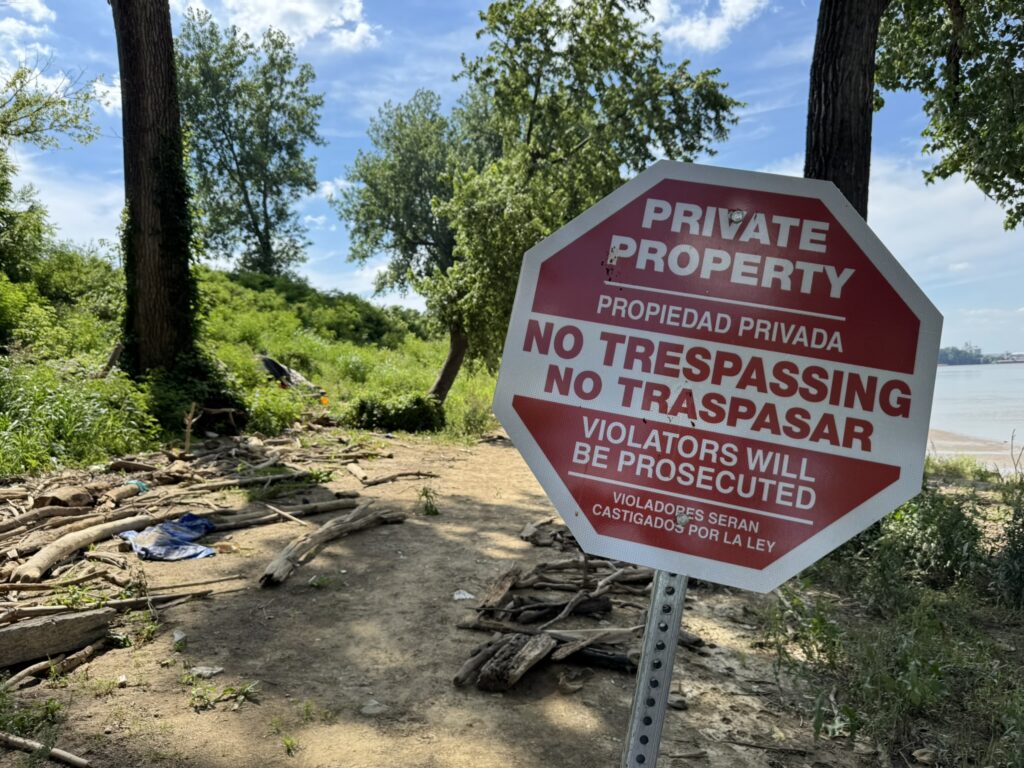
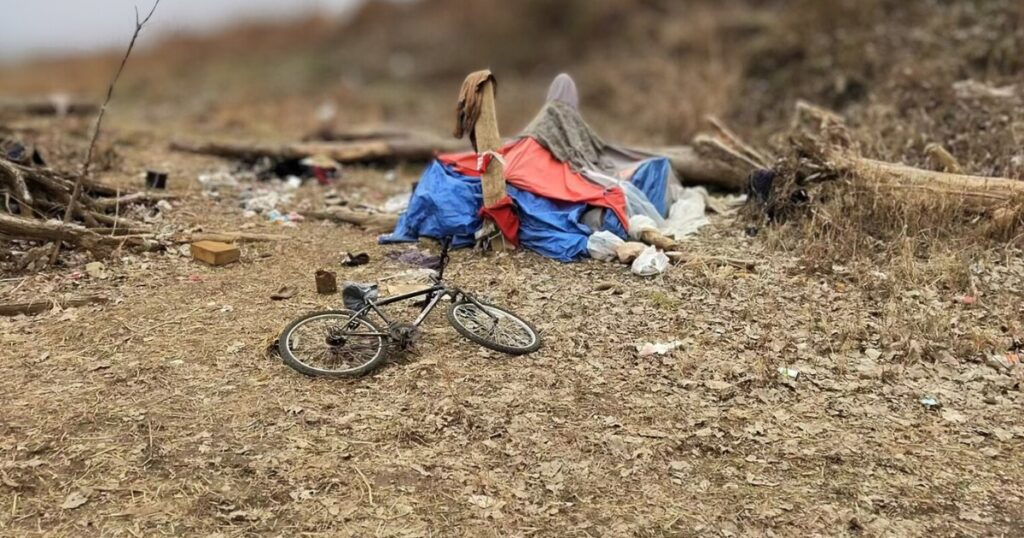
That Monday morning after Easter, people were already gathered at camp, expecting what was coming. The property owner had issued a clear ultimatum and was exercising their rights. A demolition crew arrived and began removing every trace of people’s lives, one bulldozer bucket at a time.
Watching it felt uncomfortably familiar.
I didn’t reach out to anyone. Truthfully, it never even occurred to me that help was an option.
I’m not proud to admit that in that moment, I arrogantly thought I was something.
We broke the story publicly with a video before anyone else was talking about it. The usual media frenzy followed, and I assumed it would play out like the last displacement. Everyone would scatter for a while, regroup somewhere else, and life would continue as usual.
That’s not what happened.
Everything changed.
People showed up out of nowhere.
And I mean real people. Not polished statements. Not a carefully worded concern. Actual people who put on (metaphorically) boots and walked into uncomfortable places. Some of them worked so quietly behind the scenes you’d never even know they were there.
Honestly, some of the people who stepped up the biggest were people I never would’ve expected.
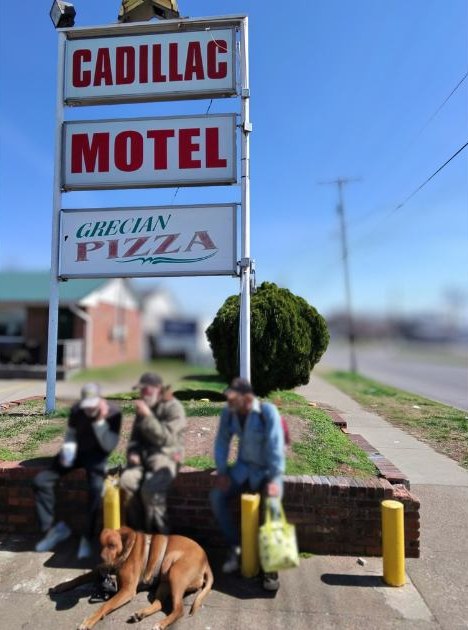
A temporary shelter was found almost immediately. The nearby Cadillac Motel began housing many of those displaced.
And then things got even stranger.
Those agencies I had been so critical of? Many of them showed up in person. Some for the very first time. Suddenly, there was real-time communication between groups and people who would never normally cross paths. Collaboration started happening in ways I don’t think anyone expected.
Before long, many of the people from Tent City became the center of everyone’s attention.
Churches started bringing meals. Random people showed up with clothes, supplies, and necessities. Some paid for rooms outright. At one point, donations overflowed the motel office and spilled out into the sitting area outside.
People who needed identification were finally getting it. Those seeking housing were receiving help navigating the process.
But of course, none of this came without tension.
The paying residents at the motel saw what appeared to be special treatment and grew resentful. There were complaints about rule violations, extra people staying in rooms, property damage, drug use, prostitution — all of it adding pressure to an already strained environment.
One evening, we provided a meal, and I walked door to door letting residents know food was ready. One paying resident stepped directly into my personal space, visibly angry that previous help had focused mainly on those displaced from the camp. He refused the meal and demanded that his girlfriend refuse it too.
She ignored him and quietly got in line anyway.
Then another unexpected problem surfaced.
People in the community began assuming that Just People was paying for motel rooms. Suddenly, we were flooded with requests from people we never would’ve previously reached. And over and over again, my wife and I had to tell people no.
I hate telling people no.
But that boundary existed for a reason. When we formed Just People, our board intentionally established guardrails to prevent us from becoming a housing organization, except in extreme emergencies.
Then came another shift I didn’t expect.
The donations slowed dramatically.
Not long ago, we had to be careful what we asked for because so much was coming in that we barely had room to hold it all. The last major tent request brought in dozens.
The most recent one brought two.
Eventually, another council meeting came around.
This time, the atmosphere felt different.
Some of the people in the room were the same ones who had stepped directly into the mess. Others had been quietly coordinating support behind the scenes. Everyone talked about how unprecedented the collaboration had become and how none of it would’ve happened had the landowner not cleared the camp.
And, they’re probably right.
But I think it goes deeper than that.
None of this would’ve happened if people hadn’t known. And people wouldn’t have known if we hadn’t put it out there. And “putting it out there” only mattered because over time, an audience of people who cared had slowly formed around this forgotten group of human beings.
None of that happened overnight.
It came from years of showing up.
And somewhere in the middle of this realization, I felt something unexpected:
I don’t think I’m needed here anymore.
That’s hard to admit.
Months ago, I walked into these meetings thinking I was the hero. Honestly, it kind of felt that way. There was adventure in it at first. Walking into camp. Learning the trails. Adapting to their world through heat, mud, snow, and darkness. Part of me enjoyed being the one willing to go where others wouldn’t.
But now?
Now, many of the people around that table know more than I do. Agencies are mobilizing resources. Communication is happening. Systems are moving.
And strangely enough, it’s beautiful to watch.
Maybe this was the mission all along.
Not to become the solution.
Just to make sure people finally saw them.
And sitting there quietly, the same thing keeps running through my mind, over and over.
We can all try to take the credit, but had we tried this on our own, it would have crashed and burned before it gained flight.
This is Jesus.
All of the real names used here were used with permission. Otherwise, the names have been changed. To protect the identity of those photographed, they have been blurred intentionally unless consent was given before publishing.
The Safer Kentucky Act, which went into effect on July 15, 2024, makes sleeping or camping in public areas illegal, including on sidewalks, roadsides, under bridges, or in parks, parking lots, garages, or doorways. The law creates a new offense called “unlawful camping” that can result in arrest and fines. Assisting those individuals is considered to be aiding and abetting, which is a legal doctrine that refers to the act of helping or encouraging someone to commit a crime. The person who aids and abets is generally held to the same degree of criminal liability as the person who commits the crime.
0 Comments