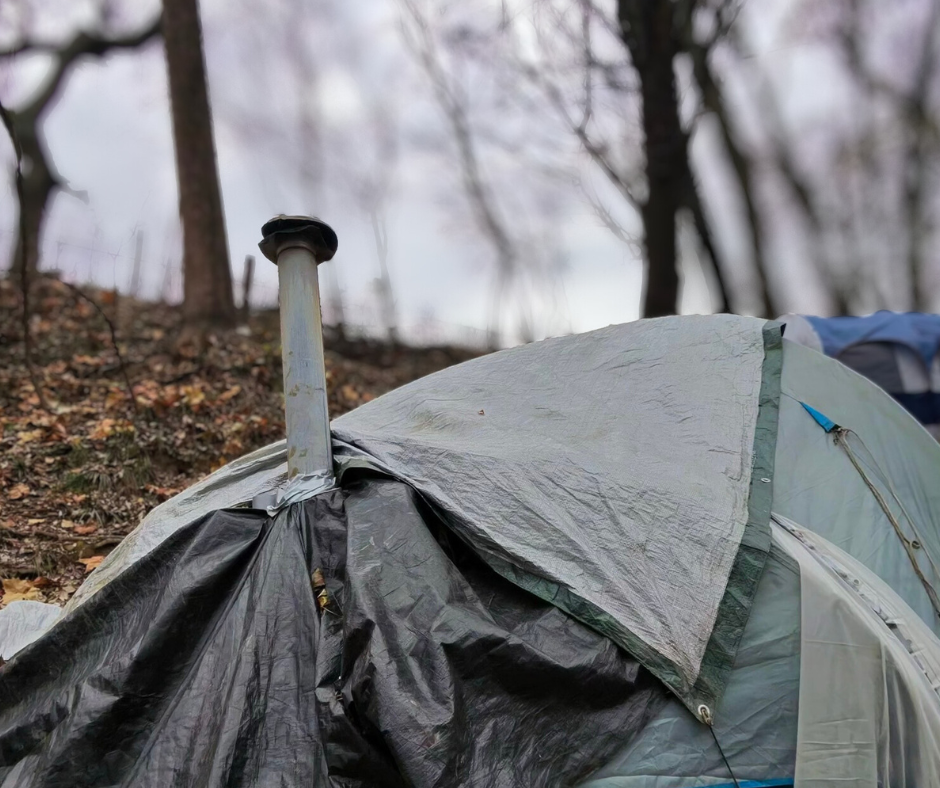
Summary: We’re seeing others get involved in ways we didn’t expect. I got an attitude adjustment. Residents at the Cadillac Motel got a Thanksgiving meal. And I watch a couple of people slip into homelessness, right before my eyes.
Read Time: Five Minutes
Every now and then, God taps me on the shoulder and says, “Look.”
Not gently. Not subtly. More like He yanks my chin up with both hands and says,
“Look what I’m doing. You’re missing it.”
And suddenly I can see it—people stepping in, stepping up, stepping out of their comfort zones to love folks society walked away from. Families showing up. Strangers forming groups. People cooking, hauling clothes, checking in on folks on days we’re not even there. Skills I don’t have, gifts I never asked for, all pouring into the same cracks in the sidewalk we’ve been trying to fill for years.
It’s a beautiful thing to watch, and a privilege to stand in the middle of it.
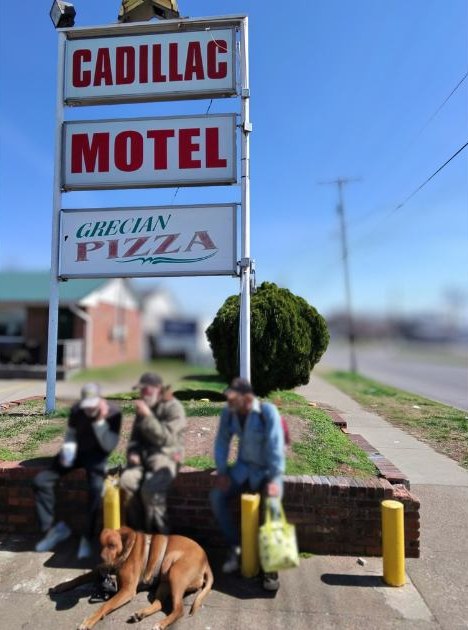
One example: Kim and I pulled up to the Cadillac Motel one day, and there was a whole group set up—tables, meals, the whole deal. It looked like a carbon copy of our outreach. We walked up, introduced ourselves, and the young guy running it said he had volunteered with us once… and then decided to gather a few churches and do something.
If you ever wonder whether showing up matters, that’s your answer.
Some people have accused me of exploiting folks who live outside—using their pain on social media to gain attention. I get why someone outside the situation might think that. I’ve posted hard images. I’ve shared stories that weren’t pretty. But if the result is more hands showing up and more food on the ground, then the criticism doesn’t sting the way it used to. The dream was never for us to be the ones fixing everything. The dream was for others to care, too.
And now, as more people become aware, there’s room to focus on needs that never trend—like the folks who are one declined debit card away from losing the little stability they have. More on that in a moment.
But before I get to that, I need to be honest about something I wish I could skip.
All this good stuff is happening, and I still managed to attempt to insert myself into God’s way like a human traffic cone.
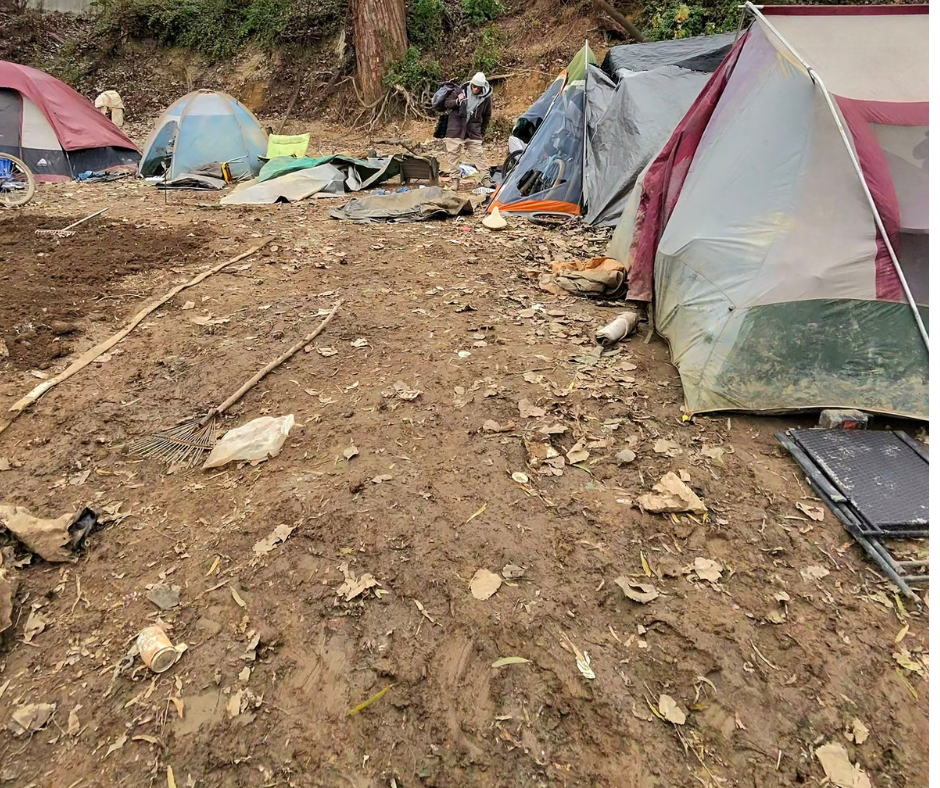
Recently, I felt pressured into walking a couple of people through camp. I didn’t want to do it. I didn’t want the residents to feel like animals in an exhibit. But instead of handling it with grace, I let my irritation take the wheel. I walked them around with a bad attitude, like a tour guide who’d rather be anywhere else. I was rude. Defensive. And underneath it all, something in me cracked open—something I’m not proud of.
Later that night, I felt God tug on my collar:
“Do not attempt to interfere with what I am doing.”
Then came the mental slideshow… moments when those same two people were connecting with folks in camp in a way that was gentle, respectful, and welcome. They’ve already done things I can hardly believe. They’re asking the right questions. Getting people phones. Establishing contact and following up when others would’ve forgotten.
It hit me deep:
I don’t know as much as I thought I did.
My “deep roots” in camp weren’t as deep as I imagined.
If anything, I’m a torpedo flying in and out with supplies.
Camp isn’t my kingdom.
I’m a guest—one they tolerate.
That was a hard pill to swallow, but necessary.
A few days after that, I walked into the Cadillac Motel office. I had waited until the last minute to ask the manager about four rooms that still needed Thanksgiving meals—not for me, but for someone else who asked. I figured it was hopeless. This time of year, everyone tries to do their good deed, and places like the Cadillac get overwhelmed. Then the calendar flips to December 26th, and everyone disappears again.
But she surprised me.
“No one’s said they’re doing that,” she said.
I wrote down the room numbers, thinking that was the only reason I walked in. I was about to leave when a young man walked through the door. He slipped a card across the counter.
“Another night?”
He nodded.
She swiped it.
“Declined, baby.”
He didn’t flinch. Neither did she.
It was a ritual—one last courtesy before life moves outside. Watching it felt like watching someone quietly fall off a ledge. No drama. No plea. Just gravity.
If he’s lucky, someone might squeeze him into their room. If not, there’s a spot between two buildings where people sleep when they run out of everything else.
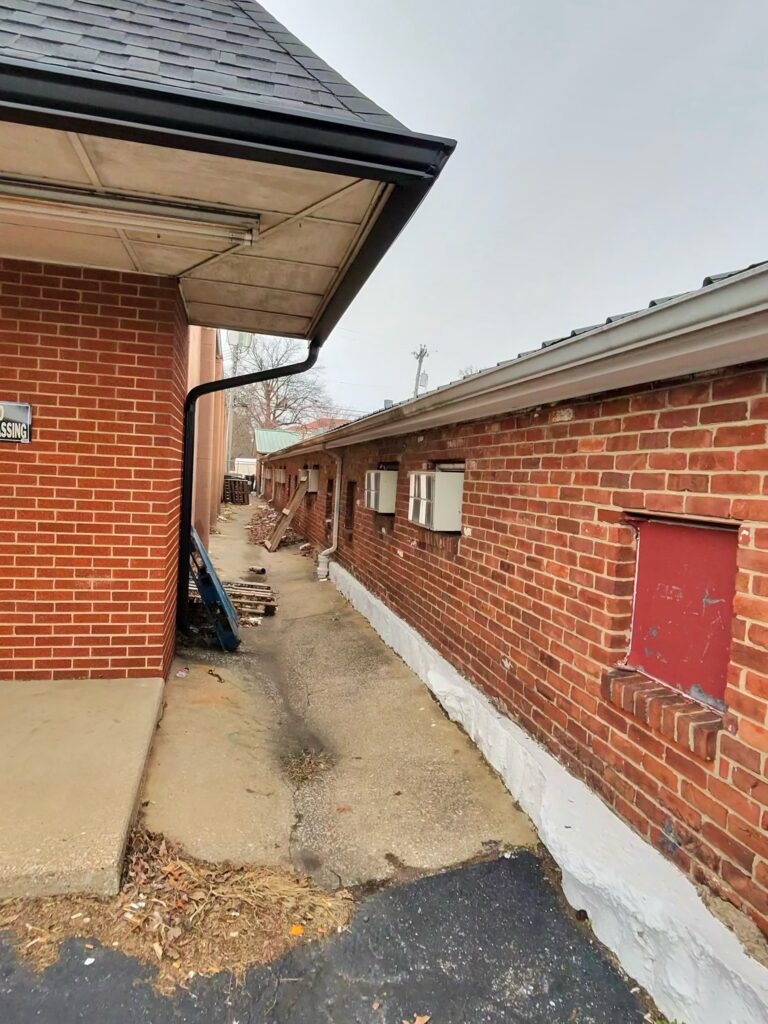
Yes, the Cadillac residents did get a Thanksgiving meal thanks to a group called Food for the Soul. We delivered forty meals. When I asked the manager if anyone else had brought food, she said no.
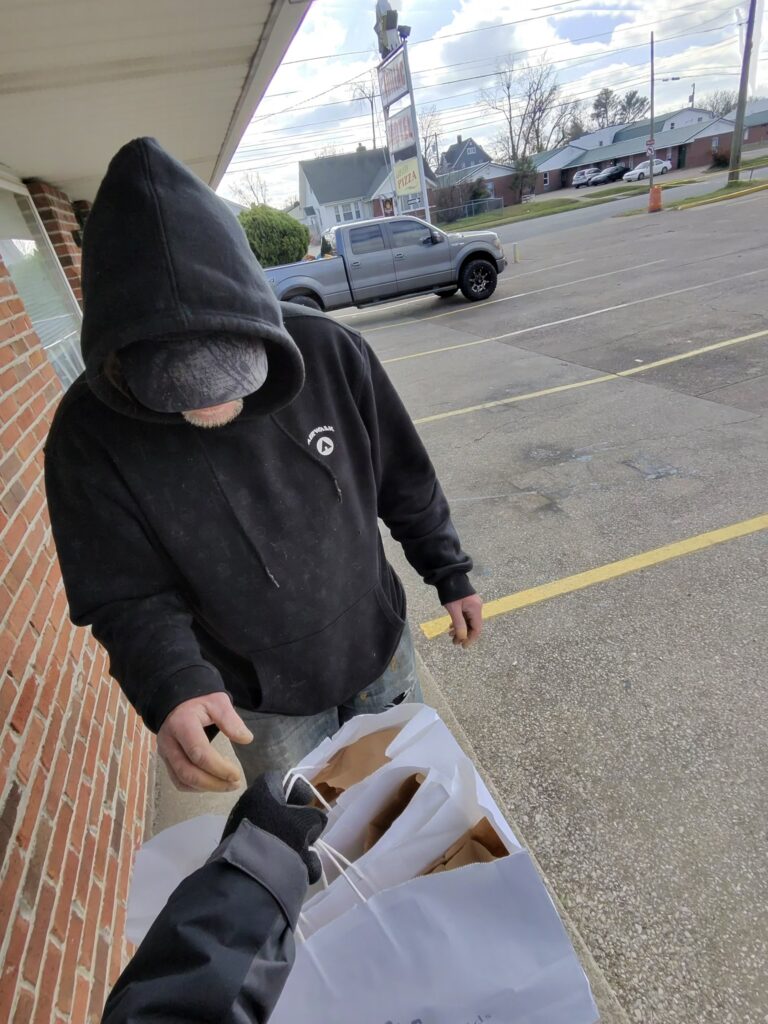
She locked the office and walked with me, helping me find the ones who needed help most. Along the way, we passed a room where a verbal altercation was brewing. Threats. Shouting. And then the girl was forced out—sobbing, carrying her belongings.
She found me in the parking lot.
“Sir… may I have one of those? I’m hungry.”
Of course, she could. But once again, she was one more person I had to walk away from.
Here’s the part I keep coming back to:
There’s pain everywhere.
More than anybody realizes.
More than we can carry alone.
Now that awareness is spreading and other people are filling the gaps, nothing changes about what we will keep doing at camp. But for a while, we’re going back to our roots.
Back to the quiet places.
Back to the folks who slip through without a sound.
Back to the ones nobody sees until it’s too late.
Because pain doesn’t wait for holidays.
And neither can we.
All of the real names used here were used with permission. Otherwise, the names have been changed. To protect the identity of those photographed, they have been blurred intentionally unless consent was given before publishing.
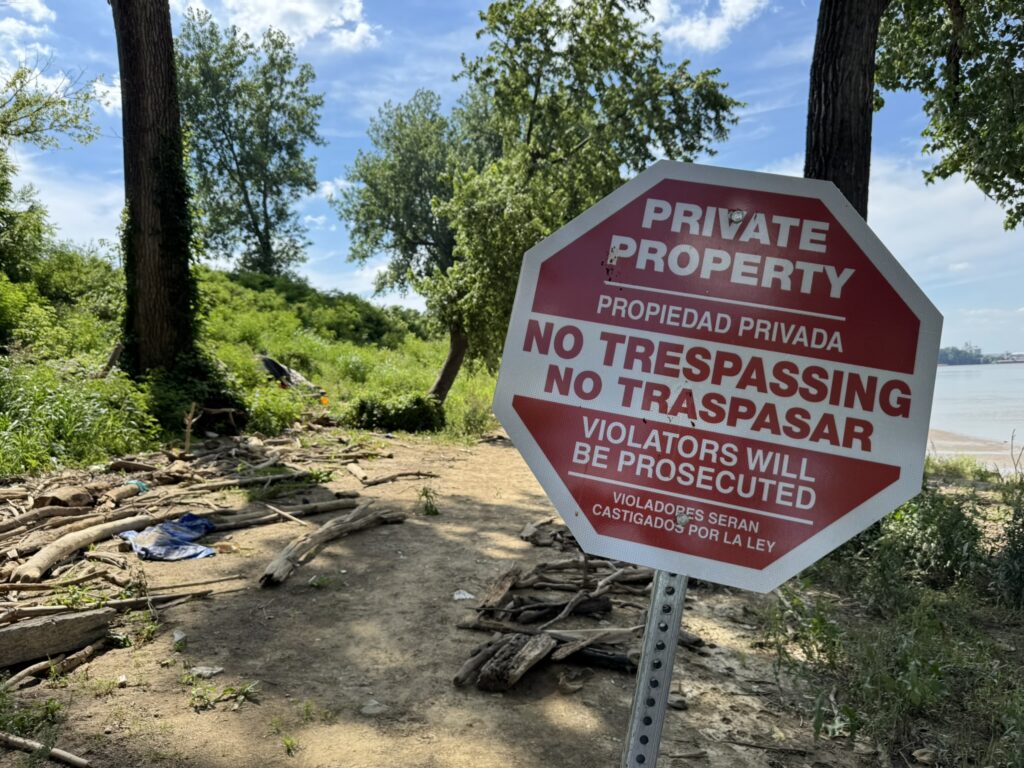
The Safer Kentucky Act, which went into effect on July 15, 2024, makes sleeping or camping in public areas illegal, including on sidewalks, roadsides, under bridges, or in parks, parking lots, garages, or doorways. The law creates a new offense called “unlawful camping” that can result in arrest and fines. Assisting those individuals is considered to be aiding and abetting, which is a legal doctrine that refers to the act of helping or encouraging someone to commit a crime. The person who aids and abets is generally held to the same degree of criminal liability as the person who commits the crime. We ask that you please not attempt to locate or visit Tent City.
0 Comments